
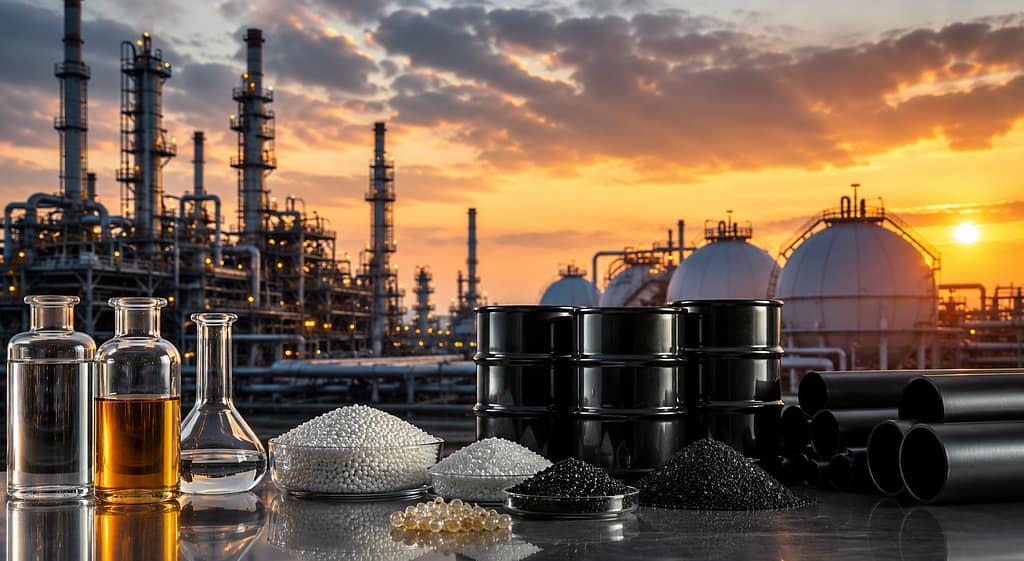
Category: Petrochemical

  • HBM 4265 – HDPE for Industrial Blow Molding Applications

    HBM 4265 is a high molecular weight, high-density polyethylene (HDPE) with a broad molecular weight distribution, engineered for the production of large blow-molded items such as intermediate bulk containers (IBCs), jerry cans, and packaging for hazardous materials. Manufactured using 1-hexene as a co-monomer, this grade delivers excellent creep resistance, strong chemical durability, and superior environmental stress crack resistance (ESCR). HBM 4265 also offers reliable stiffness and good processability, making it a trusted material for demanding industrial applications. This product is produced under Basell’s licensed technology.


  • HBM 5020 – HDPE for Versatile Blow Molding Applications

    HBM 5020 is a high-density polyethylene (HDPE) featuring a broad molecular weight distribution, specifically engineered for the production of small blow-molded bottles. Developed using 1-hexene as a co-monomer, this grade offers a combination of high stiffness, smooth processability, excellent environmental stress crack resistance (ESCR), strong chemical resistance, and adequate impact strength. HBM 5020 is a reliable choice for a wide range of blow molding applications. Manufactured under Basell’s licensed technology, it ensures consistent performance and high-quality end products.

  • ,

    Polybutadiene Rubber (PBR)

    Polybutadiene Rubber, or PBR, is a synthetic rubber produced through the polymerization of butadiene. Known for its outstanding elasticity and high rebound properties, PBR also performs exceptionally well in cold conditions due to its low-temperature flexibility. It plays a crucial role in tire manufacturing, where it enhances performance by reducing rolling resistance and improving grip on wet surfaces. Thanks to its resilient molecular structure, PBR is well-suited for demanding environments, offering superior durability and resistance to impact and wear.

  • ,

    Styrene-Butadiene Rubber (SBR)

    Styrene-Butadiene Rubber is a type of synthetic rubber created through the copolymerization of styrene and butadiene. This blend merges the advantages of both monomers, resulting in a material known for its strong resistance to wear and tear, excellent flexibility, and solid aging stability. SBR is widely utilized in the production of tires, shoe soles, conveyor systems, seals, and a variety of molded rubber products. Valued for its reliable mechanical strength and economical production costs, SBR remains a go-to material in industries that demand toughness and longevity.